Clean Floors, Clear Path, Unveiling the Power of Sticky Mats
March 05, 2026 By admin
Introduction
In industries where cleanliness and contamination control are paramount, maintaining a clean and safe environment is crucial. Whether it’s a laboratory, healthcare facility, data center, or manufacturing plant, the presence of unwanted contaminants can have far-reaching consequences. One effective solution that has gained popularity is the use of sticky mats. These specialized mats have the power to trap dirt, dust, and other particles from footwear and wheeled equipment, ensuring clean floors and a clear path. In this article, we will explore the benefits and applications of sticky mats, shedding light on their effectiveness in contamination control.
Understanding Sticky Mats
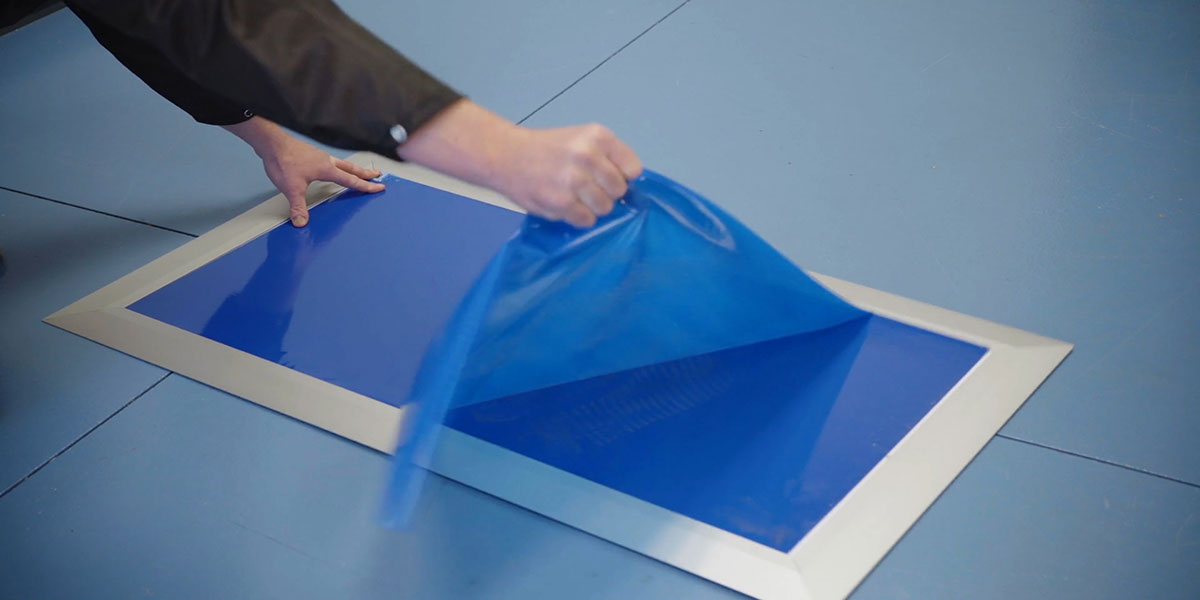
Sticky mats, also known as tacky mats or adhesive mats, consist of multiple layers of adhesive-coated sheets that effectively capture dirt, dust, and debris from shoes and wheels. Each layer is designed to remove and retain particles, preventing them from being tracked or dispersed further into the environment. The adhesive surface of the mat acts as a barrier, preventing contaminants from entering clean areas and maintaining a controlled environment.
Effective Contamination Control
Sticky mats play a vital role in contamination control by significantly reducing the introduction of particles into critical areas. They serve as the first line of defense against dirt, dust, and other contaminants that can compromise the integrity of sensitive processes or equipment. By removing contaminants at the source, sticky mats help minimize the risk of product defects, equipment malfunction, and contamination-related incidents, thereby ensuring a safer and cleaner working environment.
Versatile Applications
Sticky mats find applications across various industries and environments. In cleanrooms, where even the tiniest particles can disrupt delicate operations, these mats are indispensable. They are commonly used in pharmaceutical facilities, electronic manufacturing plants, research laboratories, and healthcare settings where strict hygiene standards must be maintained. Additionally, sticky mats prove beneficial in commercial settings such as offices, schools, and retail establishments, where foot traffic can introduce dirt and debris into common areas.
Easy to Use and Maintain
One of the key advantages of sticky mats is their ease of use and maintenance. They can be placed at entrances, walkways, or transition areas where contamination is most likely to occur. As individuals step on the mats, the adhesive surface effectively captures and removes particles from their footwear. Once a layer becomes saturated, it can be easily peeled away to reveal a fresh, clean surface. Regular replacement of the adhesive layers ensures the continued efficiency of the mats in capturing contaminants.
Cost-Effective Contamination Prevention
Investing in sticky mats proves to be a cost-effective strategy for contamination prevention. By reducing the spread of particles and contaminants, businesses can avoid costly repercussions such as product recalls, equipment repairs, or compromised research results. Sticky mats act as a proactive measure, protecting valuable assets, maintaining productivity, and upholding the reputation of an organization.
Conclusion
Sticky mats provide an invaluable solution for contamination control, ensuring clean floors and a clear path in industries where cleanliness is paramount. With their ability to trap dirt, dust, and other particles, these mats significantly reduce the introduction of contaminants into critical areas. By investing in sticky mats and incorporating them into the workflow, businesses can enhance the safety, efficiency, and quality of their operations. As a simple yet powerful tool, sticky mats prove to be an indispensable asset for maintaining a pristine and controlled environment, where clean floors pave the way to success.